This page is provided for general informational purposes only and does not constitute legal advice. Reading this page or submitting a contact form does not create an attorney-client relationship with Dutton & Salta. Prior results do not guarantee a similar outcome. Please consult a licensed Florida attorney regarding your specific situation.

Menu
Menu
Probate Attorney in Tampa, FL
Dutton & Salta attorneys help families, heirs, and personal representatives in Tampa navigate Florida probate and estate administration. Speak with a probate attorney about your loved one’s estate and your responsibilities in a free consultation.
Schedule your free PROBATE consultation today
Probate in Florida
Florida probate follows court procedures for handling an estate after someone dies. In formal administration, the court appoints a personal representative to manage the estate, notify creditors, and address valid claims before distributing the remaining assets. Qualifying estates may use summary administration, a simpler court process. In Hillsborough County, probate matters are handled by the 13th Judicial Circuit. The procedure depends on the estate’s property, debts, and how long ago the person died.
What Is Probate in Florida?
Probate is the court-supervised process of settling a deceased person’s estate, resolving debts, and transferring property to those entitled to receive it. The deceased person is referred to as the decedent. A valid will generally determines who inherits; without one, Florida law determines the heirs.
Not everything a person owned must pass through probate. Accounts with valid beneficiary designations and property held with survivorship rights often transfer directly to another person. Ownership and transfer arrangements determine whether court proceedings are needed.
The two main paths are formal administration, involving a court-appointed representative, and summary administration, a simpler process for qualifying estates.
Who Needs a Probate Attorney in Tampa?
A probate lawyer in Tampa can help you identify the right procedure and understand the obligations that apply to your situation.
You Were Named Personal Representative in a Will
Being named executor in a will does not automatically authorize you to access accounts or transfer property. Counsel can help you obtain a court appointment and understand your responsibilities. Florida generally requires representatives to have an attorney, subject to limited exceptions.
Your Loved One Died Without a Will
When someone dies intestate, meaning without a valid will, state law determines who inherits. Relatives may need help identifying heirs, determining their shares, and obtaining orders to transfer property.
The Estate May Qualify for Summary Administration
A small estate may qualify when its value subject to administration in Florida does not exceed $150,000 after excluding property exempt from creditor claims. Eligibility may also arise when the person died more than two years ago, regardless of estate value. A will directing administration under Chapter 733 can prevent eligibility. Counsel can evaluate the property, creditor issues, and filing requirements.
You Have Concerns About a Will’s Validity
Changed beneficiaries, suspected pressure from a caregiver, or questions about mental capacity may warrant legal review. Probate lawyers can assess whether there are grounds for a will contest and identify applicable deadlines. Disagreement with an inheritance alone does not invalidate a will.
You Live Outside Florida
An out-of-state heir may need help determining where to file for an estate or property here. Florida probate lawyers can handle filings and explain your rights in an unfamiliar probate court.

Related Practice Areas
How the Probate Process Works in Florida
The steps below outline the basic Florida’s formal probate administration process. Some tasks overlap, and the requirements depend on the estate’s assets, debts, and family circumstances.
1. Filing the Petition for Administration
The process begins by filing a petition for administration with the appropriate circuit court. The petition provides information about the deceased person, beneficiaries, and estate and requests appointment of a personal representative. If there is a will, it must also be submitted to the court.
2. Appointment of the Personal Representative
The court appoints a qualified personal representative and issues Letters of Administration establishing that person’s authority to act for the estate. The personal representative is responsible for safeguarding probate assets and administering the estate under Florida law.
3. Notice to Creditors
The personal representative publishes a Notice to Creditors and serves notice on known or reasonably ascertainable creditors. Creditors generally must file claims within three months after the first publication or, for creditors served with notice, 30 days after service, whichever is later.
4. Inventory of Assets
The personal representative identifies the estate’s probate assets and files a verified inventory listing their estimated fair market values as of the date of death. Determining which assets belong in probate may require reviewing account ownership, beneficiary designations, and real estate records.
5. Paying Debts and Claims
The personal representative reviews creditor claims, objects to improper claims when appropriate, and pays valid obligations from available estate funds in the order required by Florida law. Administration expenses and applicable taxes must also be addressed.
6. Distribution to Beneficiaries
After addressing obligations and reserving necessary funds, the remaining property is distributed under the will or intestacy laws. Florida homestead protections and surviving family members’ statutory rights may affect distribution.
7. Closing the Estate
The personal representative submits the required closing documents, including a final accounting unless properly waived, and petitions for discharge. Once administration and distribution are complete and the court’s requirements are satisfied, the court enters an order discharging the personal representative.
What Happens After You File for Probate?
An uncontested estate may proceed through creditor review and distribution without litigation. A straightforward formal estate may take approximately five or six months, while qualifying estates using the summary procedure may finish sooner. Court workload, missing records, property sales, and unresolved claims can extend the timeline.
Disputes about a will, inheritance rights, or estate management may lead to probate litigation. If beneficiaries inherit property together and later disagree about selling or retaining it, a partition action may be needed to resolve continued co-ownership. The appropriate approach and eventual outcome depend on the estate and the issues involved.
Florida Probate Law and Hillsborough County Courts
Governing Florida Statutes
Chapters 731–735, Florida Statutes, contain Florida’s Probate Code. Chapter 733 governs estate administration, including appointment of a personal representative, creditor claims, and distribution. Section 733.602 establishes the personal representative’s fiduciary duties, while section 733.702 sets deadlines for creditors to present claims, subject to statutory exceptions.
Section 735.201 governs eligibility for summary administration, including the $150,000 limit after excluding property exempt from creditor claims and the alternative for someone who died more than two years ago. Section 732.901 generally requires the will’s custodian to deposit it with the appropriate clerk within 10 days after learning of the death.
Which Court Handles a Hillsborough County Probate Case?
Local probate matters are handled by the probate divisions of the 13th Judicial Circuit. Attorneys submit petitions and supporting documents to the Hillsborough County Clerk through the Florida Courts E-Filing Portal. Florida Probate Rule 5.200 specifies the contents of a petition for formal administration. An original paper will must also be delivered to the Clerk according to its filing instructions.
Why Choose Dutton & Salta for Your Probate Case
Our probate lawyers help families, heirs, and representatives understand their options and move through estate administration. Based in Tampa, we take the time to understand your circumstances and explain the legal requirements. Our attorneys recommend an approach suited to the estate and your responsibilities.
Our firm’s experience in both probate and Florida real property law is especially valuable when an estate includes a home or other real estate. We help address questions about ownership, title, and the transfer or sale of inherited property alongside the estate administration. By handling these connected issues together, we help you make informed decisions, avoid unnecessary complications, and keep the estate moving toward resolution.
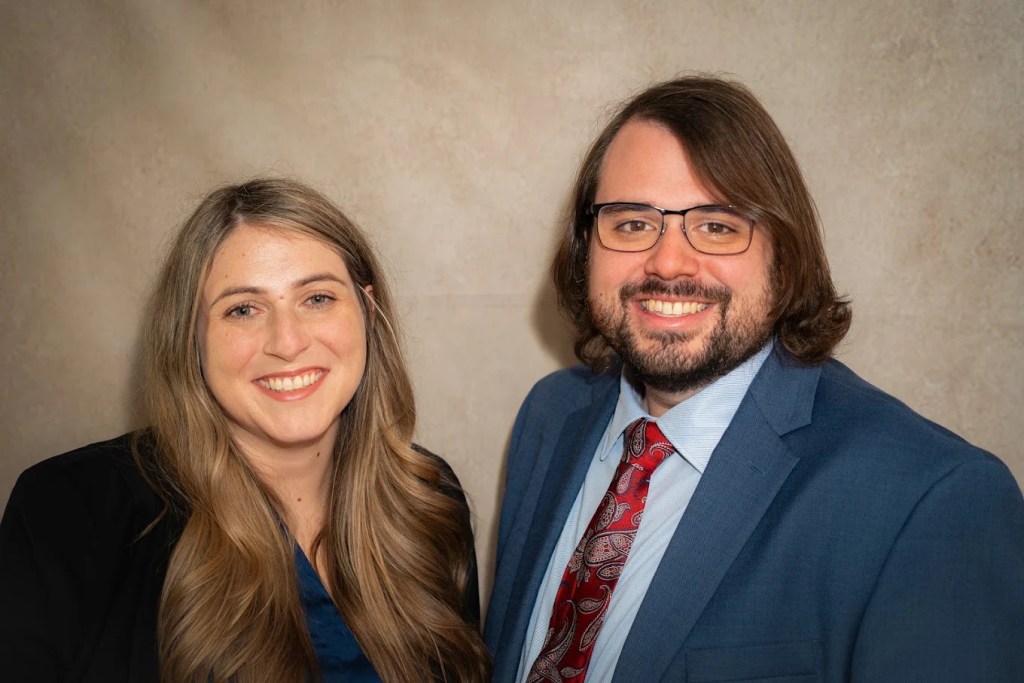
Robert Salta, founding partner, is admitted to the Florida Bar (Bar No. 1022665) and has practiced law in Florida since 2020. He is a member of the Hillsborough County Bar Association and its Real Property, Probate & Trust Law Section.
Corrie Dutton, founding partner, is admitted to the Florida Bar (Bar No. 1032315) and has practiced law since 2019, licensed in Florida since 2021. She is also a member of the Hillsborough County Bar Association and its Real Property, Probate & Trust Law Section.
Areas We Serve
Dutton & Salta is a Tampa-based law firm representing clients in Probate actions throughout all 67 counties in Florida.
- Hillsborough County
- Orange County
- Pinellas County
- Manatee County
- Pasco County
- Sarasota County
- Polk County
- Miami-Dade County
Don’t see your county listed? We represent clients across the entire state of Florida. Contact us to discuss your case.
Frequently Asked Questions About Probate in Florida
How much does a probate lawyer cost in Florida?
Probate attorney fees in Florida vary based on the type of administration, the work involved, and the agreed fee arrangement. Attorneys may charge a flat fee, hourly fees, or fees based on Florida’s statutory compensation schedule. That schedule is not mandatory, and fees are negotiable. Court costs and expenses, such as publication fees and appraisals, should also be considered when estimating the total cost.
Do I need a lawyer to go through probate in Florida?
A personal representative in Florida formal administration generally must be represented by a Florida attorney. A narrow exception applies when the personal representative remains the estate’s sole interested person; being the sole beneficiary does not necessarily satisfy that requirement. Summary administration does not automatically require an attorney, although legal guidance can be especially helpful when real estate, creditors, or disputed inheritance rights are involved.
What is the 10 day rule for probate in Florida?
Florida’s 10-day rule requires the person holding a deceased person’s will to deposit it with the appropriate clerk of court within 10 days after learning of the death. This deadline concerns depositing the will, rather than opening or completing probate. Depositing the will does not, by itself, begin estate administration.
What are the common mistakes in probate?
Common probate mistakes include distributing assets too early, mixing estate funds with personal funds, overlooking assets, and assuming a will eliminates the need for probate. Other problems arise when families treat protected homestead like an ordinary estate asset or rely on informal agreements without confirming inheritance rights. These mistakes can delay administration, create disputes, or expose a personal representative to liability.
How long does probate take in Florida?
Florida probate generally takes several months, with formal administration taking longer than an uncomplicated summary administration. A straightforward formal estate may take approximately five or six months, while disputes, property sales, tax issues, or missing records can extend the process substantially. Summary administration may finish sooner, but eligibility does not guarantee a particular completion date.
What happens if there’s no will?
If someone dies without a valid will, Florida’s intestacy laws determine who inherits their probate assets. The surviving spouse’s share depends partly on whether either spouse has children from another relationship. Unmarried partners do not automatically inherit under intestacy, and special rules may govern homestead and other protected property. The absence of a will does not automatically cause the estate to pass to the state.
Can probate be avoided in Florida?
Proper estate planning can allow some or all assets to pass outside probate in Florida. Options may include a properly funded living trust, valid beneficiary designations, and ownership arrangements with survivorship rights. A will alone does not avoid probate, and signing a trust without transferring the intended assets into it may leave those assets subject to probate.
What is the difference between summary and formal administration?
Summary administration distributes qualifying estate assets through a court order without appointing a personal representative, while formal administration gives an appointed representative authority to manage the estate. Under current Florida law, summary administration may be available when the estate subject to administration, excluding property exempt from creditor claims, does not exceed $150,000, or when the person has been deceased for more than two years. A will directing formal administration can prevent eligibility, and an otherwise qualifying estate may still need formal administration to address its particular circumstances.
Sources: Chapter 733, Florida Statutes (Estate Administration), Chapter 735, Florida Statutes (Small Estates and Summary Administration), § 732.901, Florida Statutes (Production of Wills), § 733.6171, Florida Statutes (Attorney Compensation), Florida Probate Rules, Hillsborough County Clerk (Probate, Guardianship, and Trust), The Florida Bar (Probate in Florida)
Attorney Review: Corrie Dutton, Florida Bar No. 1032315
Last Reviewed: 10/12/2026