This page is provided for general informational purposes only and does not constitute legal advice. Reading this page or submitting a contact form does not create an attorney-client relationship with Dutton & Salta. Prior results do not guarantee a similar outcome. Please consult a licensed Florida attorney regarding your specific situation.

Menu
Menu
Tampa Wills Attorney
A will lets you decide who receives your property, who manages your estate, and who cares for your minor children, rather than leaving those decisions to Florida law and the courts. Based in Tampa, Dutton & Salta helps individuals and families in Hillsborough County and throughout Florida prepare a Florida last will and testament that reflects their wishes.
Schedule your free WILL DRAFTING consultation today
Wills in Florida
Florida has specific rules governing the types of wills accepted and how certain items can be divested. A Florida last will and testament must comply with the state’s execution requirements. For example, Florida homestead property has protections on who can inherit the property in certain circumstances, and a handwritten will that was valid in another state may not be valid here. These details are especially important for those who have recently moved to Florida or own property in more than one state.
What Is a Will?
A will, formally called a last will and testament, is a legal document that tells the court and your family how to handle your estate after you die. It names who receives your property, who serves as personal representative (Florida’s term for an executor), and who you want as guardian of your minor children.
A will controls only property that passes through probate. Life insurance and other accounts with a named beneficiary, jointly owned property with survivorship rights, and trust assets pass outside the will. A will also does not have the final word on every choice: a court considers the guardian you name, and Florida limits who can serve as personal representative if that person lives out of state.
Who This Applies To / Common Scenarios We Handle
Young Families With Minor Children
If both parents die while their children are minors, a court must appoint a guardian for the children and a personal representative for the estate, and a will lets you name the people you want in both roles and any potential backups.
Property or Business Owners Without a Will
If you die without a will, Florida intestate succession law decides who inherits your real estate and business interests, and heirs who inherit property together but cannot agree on it may end up in a Partition Action.
Blended Families and Remarriages
Without planning, Florida law can leave a surviving spouse and children from a prior marriage sharing the family home, with the spouse holding a life estate and the children holding the remainder, an arrangement that often leads to disagreement.
Updating an Outdated Will
A divorce or the end of a long-term relationship, a move to Florida, or a major purchase such as a home or business can leave an existing will out of date, and each is a good time to have it reviewed. Florida automatically changes how some wills are read, voiding gifts to a former spouse after divorce and, in some cases, giving a share to a spouse or child who was added to the family after the will was signed. Other changes are not accounted for: if your will was never updated, the court follows it as written, so a new unmarried partner or property you acquired later is handled under the old terms.
A will is often paired with a living will, which records your wishes about life-prolonging medical treatment, and a durable power of attorney in Florida, which can be used to name someone to handle your financial and legal affairs during your lifetime.

Related Practice Areas
How the Process Works
If you are wondering how to make a will in Florida, the process generally involves identifying your goals, preparing the document, and executing it correctly.
Talk Through Your Goals
We discuss your family, property, beneficiaries, and the people you would trust to carry out your wishes.
Draft the Will
We prepare a will that addresses who receives your property and whom you want to serve as personal representative and guardian of any minor children.
Sign the Will
Florida requires you and two witnesses to sign in one another’s presence. You do not need to notarize a will itself for it to be valid, but we can also prepare a notarized self-proving affidavit, which can simplify proving the will during probate. Fla. Stat. §§ 732.502–.503.
Keep it safe and review it.
Store the original where it can be found, and revisit your will after major changes such as marriage, divorce, or the birth of a child.
Possible Outcomes
Having a will does not necessarily mean that your estate will avoid probate. The probate process that applies will depend on the assets involved, the size and complexity of the estate, and other circumstances at the time of death.
Summary Administration
Some estates may qualify for summary administration, a streamlined form of Florida probate. Under current Florida law, summary administration may be available when the value of the estate subject to administration, excluding property exempt from creditor claims, does not exceed $150,000, or when the person has been deceased for more than two years.
Formal Administration
Larger or more complicated estates may require formal administration. In a formal administration, the court appoints a personal representative to administer the estate, address creditor claims, collect and manage estate assets, and ultimately distribute property according to the will and Florida law.
Assets That Pass Outside of Probate
Not every asset owned at the time of death must pass through probate. Certain property may transfer directly to another person based on how the asset is titled or a beneficiary designation made during the owner’s lifetime. For example, property transferred through an enhanced life estate, or Lady Bird deed, may pass directly to the named remainder beneficiaries, while bank or investment accounts with valid payable-on-death or transfer-on-death designations may pass directly to the named beneficiary. Life insurance policies, retirement accounts with designated beneficiaries, and certain jointly owned property with rights of survivorship may also pass outside of probate.
Intestate Succession When There Is No Will
When someone dies without a valid will, property that is subject to probate is distributed according to Florida’s intestate succession laws rather than according to wishes that were never placed in a valid estate plan. Florida law determines which surviving family members inherit and the share each receives, which may be very different from how the person would have chosen to distribute the estate.
The appropriate probate process and ultimate distribution of an estate depend on the particular assets, family circumstances, estate-planning documents, and other facts involved.
Florida Law and Courts
Governing Florida Statutes
Florida wills and intestate succession are primarily governed by Chapter 732 of the Florida Statutes. Under Fla. Stat. § 732.501, a person who is at least 18 years old, or an emancipated minor, and of sound mind may make a will. Florida’s requirements for executing and making a will self-proving are set out in Fla. Stat. §§ 732.502–732.503.
Florida law also governs how a will may be revoked and how later events, including marriage, divorce, birth, or adoption, may affect an existing will. See Fla. Stat. §§ 732.505–732.507.
If someone dies without a valid will, or if a will does not dispose of all property, Florida’s intestate succession laws determine who inherits. Fla. Stat. §§ 732.101–732.103 govern distributions to surviving spouses and other heirs, while Fla. Stat. § 732.401 addresses the descent of homestead property.
Not every asset passes through a will or probate. Florida law separately addresses payable-on-death accounts, transfer-on-death securities, jointly owned property with survivorship rights, and life insurance proceeds payable to designated beneficiaries. See Fla. Stat. §§ 655.82, 711.50–711.512, 689.15, and 222.13.
Which Court Handles probate Actions?
Drafting and executing a will does not normally require court involvement. After a person dies, however, proceedings involving the will and administration of the estate are handled by the Florida circuit court, which has jurisdiction over proceedings relating to the settlement of decedents’ estates and other probate matters under Fla. Stat. § 26.012.
Probate is ordinarily filed in the county where the decedent was domiciled at the time of death. If the decedent was not domiciled in Florida, venue may instead lie in a Florida county where the decedent owned property, as provided by Fla. Stat. § 733.101.
Why Choose Dutton & Salta for Your will
When you work with a Tampa wills attorney at Dutton & Salta, we assist with drafting and updating wills that reflect your current wishes, family circumstances, and property. Based in Tampa, we work with clients throughout Florida who want to put a clear estate plan in place, update an older will, or address changes such as marriage, divorce, children, real estate purchases, or business ownership.
A properly drafted will can do more than identify who should receive your property. It can name a personal representative, nominate guardians for minor children, address specific gifts, and coordinate with assets that may pass outside of probate through beneficiary designations or survivorship rights. We take the time to understand your circumstances and help prepare a will that fits within your broader estate plan.
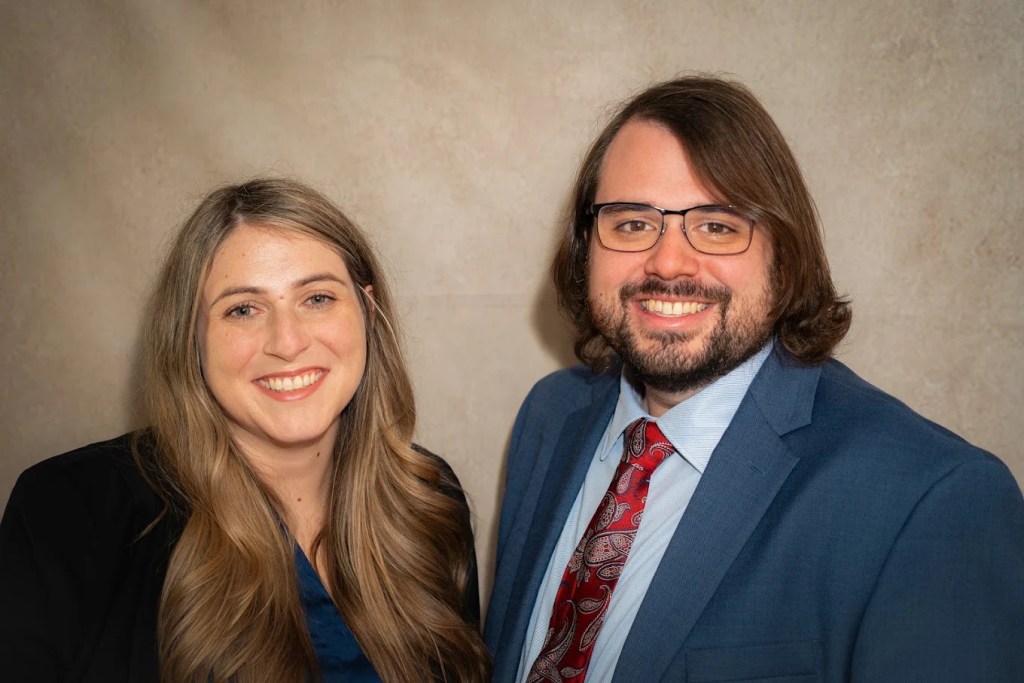
Robert Salta, founding partner, is admitted to the Florida Bar (Bar No. 1022665) and has practiced law in Florida since 2020. He is a member of the Hillsborough County Bar Association and its Real Property, Probate & Trust Law Section.
Corrie Dutton, founding partner, is admitted to the Florida Bar (Bar No. 1032315) and has practiced law since 2019, licensed in Florida since 2021. She is also a member of the Hillsborough County Bar Association and its Real Property, Probate & Trust Law Section.
Areas We Serve
Dutton & Salta is a Tampa-based law firm that prepares wills and related estate planning documents for clients throughout all 67 counties in Florida.
- Hillsborough County
- Orange County
- Pinellas County
- Manatee County
- Pasco County
- Sarasota County
- Polk County
- Miami-Dade County
Don’t see your county listed? We represent clients across the entire state of Florida. Contact us to discuss your case.
Frequently Asked Questions
How much does it cost to write a will in Florida?
There is no single price for a Florida will. The cost depends on the attorney and the work involved, including whether you need advice about a home, a business, or a blended family. Ask what the quoted fee includes before moving forward.
What kind of lawyer is best for wills?
Look for a Florida wills attorney who regularly handles estate planning and probate. If you are in the Tampa area, a Tampa estate planning attorney should also be familiar with Florida homestead and inheritance rules, especially if you own real estate or have a blended family.
Is it better to have a trust or a will in Florida?
Neither is automatically better; the will vs trust choice depends on your goals. A trust can help certain assets pass outside probate, but it must be properly funded, and many people with a trust still need a will.
Is a holographic will valid in Florida?
A handwritten will is not valid in Florida simply because you wrote and signed it yourself. It must meet Florida’s signing and witness requirements; Florida also excludes holographic wills from its rule recognizing certain wills executed by nonresidents in other states.
Do I need a lawyer to write a will, or can I use an online template?
Florida does not require a lawyer to write your will. An online template may miss Florida-specific issues, such as homestead restrictions, and the finished will still must be signed and witnessed correctly.
What happens if I die without a will in Florida?
Florida’s intestate succession laws determine who inherits your probate estate. The shares depend on which relatives survive you, including whether you leave a spouse, children, or children from another relationship.
Can I change or revoke my will after it’s signed?
Yes, you can change or revoke your will while you are able to make one. Florida permits changes through a properly executed new will or codicil and allows revocation by certain physical acts done with the intent to revoke; writing changes on the signed document can create disputes.
Sources: Chapter 732, Florida Statutes: Intestate Succession and Wills, § 732.502, Florida Statutes: Execution of Wills, § 732.503, Florida Statutes: Self-Proof of Will, § 732.507, Florida Statutes: Effect of Subsequent Marriage, Birth, Adoption, or Dissolution of Marriage, § 732.401, Florida Statutes: Descent of Homestead, § 735.201, Florida Statutes: Summary Administration, § 733.101, Florida Statutes: Venue of Probate Proceedings, § 733.304, Florida Statutes: Nonresidents, § 26.012, Florida Statutes: Jurisdiction of Circuit Court
Attorney Review: Corrie Dutton, Florida Bar No. 1032315
Last Reviewed: 09/24/2026