This page is provided for general informational purposes only and does not constitute legal advice. Reading this page or submitting a contact form does not create an attorney-client relationship with Dutton & Salta. Prior results do not guarantee a similar outcome. Please consult a licensed Florida attorney regarding your specific situation.

Menu
Menu
Florida Foreclosure Defense Attorney
With Tampa front and center in Florida’s growing foreclosure epidemic, homeowners who are facing a lawsuit from their lender need legal counsel that knows Florida’s foreclosure statutes, deadlines and defenses. Dutton & Salta helps homeowners review their options and protect their interests throughout Florida.
Schedule your free foreclosure defense consultation today
Foreclosure Defense in Florida
Florida is a judicial foreclosure state. This means that a lender must first file a lawsuit and obtain a court order granting foreclosure before your home can be sold. Homeowners have a legal right to respond and raise defenses when fighting a foreclosure. However, missing a deadline can significantly limit those available rights.
What Is Foreclosure Defense?
Foreclosure defense is the legal process of challenging a creditor’s attempt to take property through a foreclosure action. In Florida, foreclosure is a judicial process, meaning the lender must file a lawsuit and prove its right to foreclose before a judge may authorize the sale of the property.
Once a foreclosure case is filed, homeowners have the right to respond, assert defenses, challenge the lender’s evidence, and pursue alternatives that may delay, reduce, or, in some cases, stop the foreclosure altogether.

Examples of Foreclosure Defenses
An experienced Florida attorney can review your specific case and determine which defense strategy is appropriate. Some common foreclosure defenses include:
Lack of Proper Notice
Most mortgages require the lender to provide notice of default and an opportunity to cure before filing foreclosure. Failure to comply with required notice provisions may delay or prevent the lender from proceeding until those requirements are satisfied.
Lack of Standing
The lender must establish its legal right to enforce the promissory note and mortgage. Problems with assignments, transfers, or entitlement to enforce the note can create standing issues and may result in dismissal.
Inaccurate Accounting or Payment Errors
Foreclosure cases often rely on payment histories and account records. Misapplied payments, improper fees, or incorrect balances may affect whether the lender can establish the claimed default or amount allegedly due.
Unfair or Predatory Lending Practices
Florida and federal law provide protections against certain unfair or deceptive lending practices. Depending on the circumstances, misrepresentations concerning loan terms, improper fees, or other unlawful lending conduct may give rise to defenses or separate claims.
Violations of the Truth in Lending Act (TILA)
The Truth in Lending Act requires lenders to make certain disclosures concerning loan terms, interest rates, and borrower obligations. Depending on the facts and timing of the claim, material disclosure violations may provide borrowers with defenses or other remedies.
Violations of the Real Estate Settlement Procedures Act (RESPA)
RESPA regulates aspects of mortgage servicing and settlement practices. Improper servicing, failure to properly respond to certain borrower requests, or other servicing violations may give rise to claims or defenses depending on the circumstances.
How the Florida Foreclosure Process Works
Florida foreclosure cases proceed through the court system, allowing homeowners to respond, challenge the lender’s case, and explore alternatives before sale. Failing to respond can result in default or loss of defenses.
1. A Foreclosure Lawsuit Is Filed Against You
Most mortgages require the lender to send a notice of default and provide an opportunity to cure before filing. If the default is not cured, the lender may accelerate the loan and file a foreclosure complaint in circuit court.
For residential foreclosures covered by § 702.015, Florida Statutes, the complaint must allege that the plaintiff holds the original note or state the factual basis showing it is entitled to enforce it. Additional requirements apply to a lost, destroyed, or stolen note.
2. You Are Served, and Your Response Clock Starts
Once served, you generally have 20 days to file a written response. Failing to respond can result in default and may prevent you from raising defenses.
Depending on the circuit, mediation may also be ordered or available to discuss a loan modification, short sale, or other negotiated resolution.
3. You Can Contest the Lender’s Request for Judgment
Many foreclosure cases are decided through summary judgment or, in some cases, the order to show cause procedure under § 702.10, Florida Statutes. A homeowner may oppose judgment by raising legal defenses and presenting evidence showing that a genuine dispute of material fact remains.
4. Discovery Lets You Examine the Lender’s Case
Discovery allows the parties to request documents, serve written questions, and take depositions. It may be used to examine the lender’s accounting, payment history, notices, standing, and supporting records.
5. If the Lender Prevails, Judgment Is Entered and a Sale Is Scheduled
If the lender establishes its right to foreclose and the case is not otherwise resolved, the court may enter a final judgment and schedule a judicial sale under § 45.031, Florida Statutes.
Under § 45.0315, Florida Statutes, the mortgagor or another qualifying interest holder may retain a right of redemption until the later of the filing of the certificate of sale or the time specified in the final judgment.
6. What Happens to You After the Sale
If the sale generates more than is needed to satisfy the foreclosure judgment and other claims entitled to payment, you may be entitled to surplus funds. If the property sells for less than the amount owed, the lender may seek a deficiency judgment for some or all of the remaining balance, subject to Florida law.
Possible Outcomes of a Foreclosure Case
The outcome depends on the loan history, the lender’s evidence, available defenses, and the homeowner’s goals. Foreclosure defense does not always defeat foreclosure, but it may create opportunities to resolve the default or pursue an alternative before sale.
Negotiated Resolution or Loan Modification
A homeowner may resolve the case through a loan modification or another agreement with the lender or servicer. A modification may address the default and allow the homeowner to remain in the property.
Dismissal or Judgment in the Homeowner’s Favor
A foreclosure action may be dismissed, or the homeowner may prevail, when the lender cannot establish the requirements necessary to foreclose. A dismissal does not necessarily eliminate the mortgage or prevent a later foreclosure if the underlying problem can be corrected.
Foreclosure Judgment and Judicial Sale
If the case is not otherwise resolved and the lender establishes its right to foreclose, the court may enter judgment and the property may proceed to judicial sale.
Alternative Resolution Before Sale
Even when keeping the property is not realistic or desired, the case may be resolved through a voluntary sale, short sale, deed in lieu, or another agreement before foreclosure sale.
Florida Foreclosure Defense Law and Courts
Governing Florida Statutes
Florida mortgage foreclosures are governed primarily by Chapter 702, Florida Statutes, with judicial sales governed by Chapter 45, Florida Statutes.
Under § 702.01, Florida Statutes, foreclosure is an equitable proceeding tried by the court rather than a jury. Section 702.015 addresses residential foreclosure complaint requirements, § 702.10 provides an order to show cause procedure, § 45.031 governs judicial sales, and § 45.0315 addresses redemption.
Which Court Handles a Florida Foreclosure?
Mortgage foreclosure actions are filed and litigated in Florida Circuit Court. § 26.012(2)(c), Florida Statutes, gives circuit courts exclusive original jurisdiction over cases in equity, and § 702.01 provides that mortgage foreclosure is an equitable proceeding. Because foreclosure is a judicial proceeding, the lender must obtain a court judgment before the property can be sold through foreclosure.
Why Choose Dutton & Salta for Your Foreclosure Defense Case
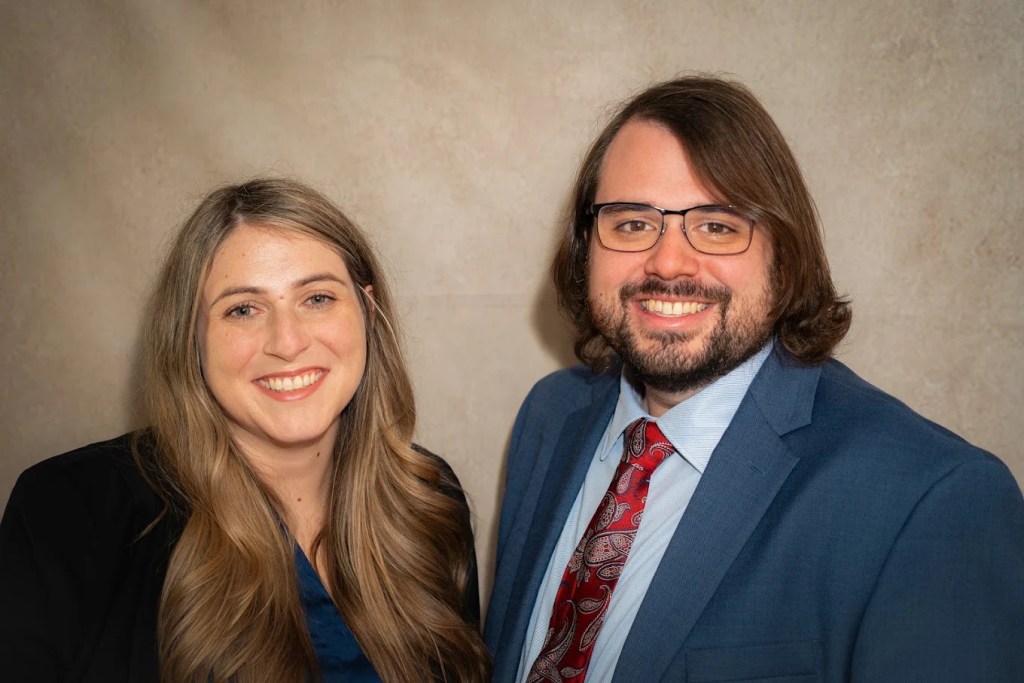
At Dutton & Salta, foreclosure defense is part of our real estate litigation practice. Based in Tampa, we represent homeowners throughout Florida who are facing foreclosure lawsuits from lenders and loan servicers.
We understand how stressful a foreclosure can be and how quickly the process can feel overwhelming. For many homeowners, the case involves more than a missed mortgage payment. It can affect their home, finances, family, and plans for the future. We take the time to understand each client’s circumstances, explain the foreclosure process and available defenses in clear terms, and provide practical guidance so our clients can make informed decisions and protect their interests at every stage of the case.
Robert Salta, founding partner, is admitted to the Florida Bar (Bar No. 1022665) and has practiced law in Florida since 2020. He is a member of the Hillsborough County Bar Association and its Real Property, Probate & Trust Law Section.
Corrie Dutton, founding partner, is admitted to the Florida Bar (Bar No. 1032315) and has practiced law since 2019, licensed in Florida since 2021. She is also a member of the Hillsborough County Bar Association and its Real Property, Probate & Trust Law Section.
Areas We Serve
Dutton & Salta is a Tampa-based law firm defending clients in foreclosure actions throughout all 67 counties in Florida.
- Hillsborough County
- Orange County
- Pinellas County
- Manatee County
- Pasco County
- Sarasota County
- Polk County
- Miami-Dade County
Don’t see your county listed? We represent clients across the entire state of Florida. Contact us to discuss your case.
Frequently Asked Questions About Foreclosure Defense Cases in Florida
What is a deed in lieu of foreclosure in Florida?
A deed in lieu is an agreement in which a homeowner voluntarily transfers the property to the lender instead of completing foreclosure. The lender is not required to accept it, junior liens may complicate the transaction, and the agreement should address whether any remaining mortgage debt is waived.
What is a deficiency judgment?
A deficiency judgment is a personal money judgment for mortgage debt remaining after foreclosure. Florida law limits deficiency claims, including a one-year limitations period under § 95.11(6)(g), Florida Statutes, for deficiency claims involving one-family to four-family residential property.
What is a short sale?
A short sale allows property to be sold for less than the total mortgage balance with the lender’s approval. The agreement should state whether the lender is forgiving any remaining balance or preserving a deficiency claim.
How much does foreclosure defense cost?
The cost of foreclosure defense depends on the case’s complexity, whether discovery is necessary, and how long the matter takes to resolve. A consultation is the best way to discuss what a specific case may involve.
What should I watch out for with foreclosure rescue scams?
Be cautious of anyone who asks for payment before performing promised foreclosure-rescue services, pressures you to transfer an ownership interest in your home, or tells you to stop communicating with your lender or attorney. Under § 501.1377, Florida Statutes, foreclosure-rescue consultants generally may not collect payment until promised services are completed, and the statute requires a written agreement with a three-business-day cancellation right.
If someone is making guarantees, creating unnecessary urgency, or asking you to transfer rights in your home without clearly explaining the consequences, consider having the proposal reviewed by a licensed Florida attorney before signing anything.
Sources: Chapter 702, Florida Statutes — Foreclosure of Mortgages and Statutory Liens, § 702.01, Florida Statutes — Equity, § 702.015, Florida Statutes — Elements of Complaint; Lost, Destroyed, or Stolen Note, § 702.10, Florida Statutes — Order to Show Cause, § 26.012, Florida Statutes — Jurisdiction of Circuit Court, § 45.031, Florida Statutes — Judicial Sales Procedure, § 45.0315, Florida Statutes — Right of Redemption, § 95.11(6)(g), Florida Statutes — Limitations Period for Certain Residential Deficiency Claims, § 501.1377, Florida Statutes — Foreclosure-Rescue Transactions and Consultants, 15 U.S.C. § 1638 — Truth in Lending Act Disclosures, 12 U.S.C. § 2605 — Real Estate Settlement Procedures Act; Mortgage Servicing
Attorney Review: Robert Salta, Florida Bar No. 1022665
Last Reviewed: 08/26/26