This page is provided for general informational purposes only and does not constitute legal advice. Reading this page or submitting a contact form does not create an attorney-client relationship with Dutton & Salta. Prior results do not guarantee a similar outcome. Please consult a licensed Florida attorney regarding your specific situation.

Menu
Menu
Tampa Deed Preparation Attorney
A deed that is prepared incorrectly often causes problems years later, when you try to sell, refinance, or pass the property on. Dutton & Salta’s deed drafting attorneys in Tampa prepare Florida quit claim deeds, warranty deeds, and Lady Bird deeds, and record them for you.
Schedule your free DEED DRAFTING consultation today
What Is a Deed, and Why Does It Have to Be Right?
A deed is the legal document used to transfer an ownership interest in real property from one person or entity to another. It identifies the parties, describes the property being transferred, states how the new owner will hold title, and must be properly executed under Florida law.
Problems with a deed are not always apparent when the document is signed.
An incorrect legal description, improper ownership language, missing spouse, or execution defect may sit in the public records for years before anyone discovers it. The issue may not appear until the owner tries to sell or refinance the property, or after an owner dies and the family is trying to determine who owns the property.
By that point, correcting the problem can become significantly more difficult. A corrective deed may be needed, a former owner may need to cooperate, or the parties may need to address the problem through probate or litigation.
For that reason, deed preparation should involve more than inserting names into a form. The deed should be prepared around the existing ownership, the property’s legal description, Florida homestead law, and what the property owner actually wants the transfer to accomplish.
Types of Deeds We Prepare
Quitclaim Deed
A quitclaim deed transfers whatever ownership interest the person signing the deed currently has in the property. Unlike a warranty deed, it does not provide warranties that the title is free from other claims or defects.
A Florida quit claim deed is frequently used for transfers between people who know each other, such as family members or spouses, or when an owner is moving property into or out of an LLC. It may also be appropriate for certain changes to an existing ownership structure.
The lack of title warranties does not make a quitclaim deed invalid. It simply means the person transferring the property is not making the same promises about title that would ordinarily be included in a warranty deed.
If you are married and the property is your homestead (that is, you live in the property as your primary home), Florida law requires your spouse to sign the deed as well, even if your spouse is not on the title. A deed signed without your spouse may be challenged later. The exception is a deed to your spouse, such as adding your spouse to title, which your spouse does not need to sign.
Warranty Deed
A warranty deed transfers ownership and also warrants the title. A warranty deed in Florida is typically used in a sale, and it gives the buyer broader assurances than a quitclaim deed.
The deed still needs to be prepared correctly. The proper grantor and grantee must be identified, the legal description must accurately describe the property, and the ownership language should reflect how the new owner or owners intend to hold title.
When multiple people are taking title, the vesting language can have significant consequences. Depending on the circumstances, owners may hold property as tenants in common, joint tenants with rights of survivorship, or, when the legal requirements are satisfied, tenants by the entirety.
In some transactions, a special warranty deed in Florida may be the better fit. A special warranty deed generally limits the grantor’s warranties to matters that arose while that grantor owned the property, rather than covering the full history of the title.
Lady Bird Deed (Enhanced Life Estate Deed)
A Lady Bird deed, also called an enhanced life estate deed, allows an owner to retain significant control over real property during the owner’s lifetime while naming the person or people who will receive the property if the owner still owns it at death.
With a properly drafted Lady Bird deed in Florida, the owner can generally keep the right to live in, sell, mortgage, or lease the property during life without the consent of the beneficiaries named in the deed.
If the owner still owns the property at death, the remaining interest passes to the designated beneficiaries without requiring the property itself to pass through probate.
Florida does not have a statute creating Lady Bird deeds. The enhanced life estate deed in Florida rests instead on case law and established title practice.
A Lady Bird deed in Florida is not the right choice in every situation. Homestead property restrictions, marital status, existing liens or mortgages, multiple beneficiaries, and the owner’s broader estate plan can all affect the decision.
For some owners, a Lady Bird deed can be part of a plan for avoiding probate as to the real estate. For others, a different ownership or estate-planning structure may make more sense.
Uniform Partition of Heirs Property Act (UPHPA)
The Uniform Partition of Heirs Property Act (UPHPA) is a Florida law that provides additional protections for families who inherit or receive property together. When the property qualifies under the UPHPA as “heirs property,” the court is required to follow specific procedures to preserve family ownership. As part of that process, the court generally determines the property’s fair market value through a court-ordered appraisal by a disinterested Florida-licensed real estate appraiser under § 64.206, Florida Statutes. Rather than immediately ordering a sale, co-owners are given the opportunity to purchase the interest of the owner seeking partition.

Related Practice Areas
Common Situations We Help With
Property owners contact us for deed preparation for many different reasons. Common situations include:
- Adding a spouse or loved one to the title
- Transferring property between parents, children, siblings, or other family members
- Moving investment property into or out of an LLC
- Correcting certain errors in a prior deed or title paperwork
- Passing a home to children through a Lady Bird deed
- Changing or clarifying a co-ownership structure
- Preparing a deed for a private transfer
The correct deed depends on more than the relationship between the parties. We look at who owns the property now, how the property is titled, whether it is homestead, what the owner wants to accomplish, and whether the proposed transfer presents any additional issues.
Our Deed Drafting Process
Our deed preparation process is designed to be straightforward from the beginning through recording.
1. Retain the Firm and Provide the Property Information
Once payment is received, we collect the information necessary to prepare the deed.
This includes information about the property, the current owner or owners, the person or entity who will receive the property, and what you want the transfer to accomplish.
2. We Prepare the Deed
We generally prepare the deed within 48 hours of receiving payment and the necessary information, then send you an unsigned copy for execution.
In preparing the deed, we consider the current ownership, the property’s legal description, the type of transfer, and any issues involving homestead, marital status, or the way the new owners will hold title.
3. Sign, Witness, and Notarize the Deed
You receive the deed along with instructions explaining how it must be signed.
The deed must be properly signed, witnessed, and notarized before it can be recorded. Once it is signed, you mail the original back to our office.
4. We Record the Deed With the County
After we receive the properly executed original, we submit it for recording in the official records of the county where the property is located. You do not have to deal with the county recording process yourself.
What Makes a Deed Valid in Florida?
Florida deed requirements involve more than selecting the right form. The document must also comply with Florida law governing the transfer and execution of interests in real property.
Execution Requirements
Under section 689.01, Florida Statutes, a conveyance of an interest in real property generally must be in writing and signed by the person transferring the interest in the presence of two subscribing witnesses.
Deeds are also ordinarily acknowledged before a notary so that they can be recorded in the public records.
The document should clearly identify the parties and contain an accurate legal description of the property being transferred.
The signing process matters. A deed can state exactly what the parties intended and still cause problems if it is not properly executed.
Where and How Deeds Are Recorded
Florida deeds are recorded in the official records of the county where the real property is located.
Recording creates the public record of the transfer and provides notice of the ownership interest reflected in the deed.
Documents submitted for recording must also satisfy Florida’s statutory recording requirements, including certain identification and formatting requirements.
Costs and Turnaround
All deeds prepared by Dutton & Salta are handled on a flat-fee basis.
The amount of the flat fee depends on the complexity of the transfer and what is necessary to properly prepare and complete the deed.
A straightforward ownership change may require less work than a transfer involving multiple owners, an LLC, homestead considerations, an unusual ownership structure, or an issue involving the property’s existing title.
We discuss the flat fee with you before we begin, so you know the cost up front.
County recording charges and any other applicable recording costs are separate from the firm’s legal fee and are explained as part of the process.
Once we receive payment and the information we need, we generally prepare and send the unsigned deed within 48 hours for signing, witnessing, and notarization.
Why Choose Dutton & Salta for Your Partition Case
At Dutton & Salta, deeds are prepared by the same attorneys who handle title disputes, quiet title actions, and partition cases. Based in Tampa, we prepare quit claim, warranty, and Lady Bird deeds for property owners, families, and investors throughout Florida. Because every transfer is different, we take the time to understand what you want the deed to accomplish before we draft it.
We understand that a deed often involves more than filling in names. Homestead status, marital status, the property’s legal description, and how the new owners will hold title can all affect whether the transfer works as intended. Working with a deed drafting attorney in Tampa who also handles the disputes that poorly prepared deeds create helps our clients avoid those problems before the deed is recorded.
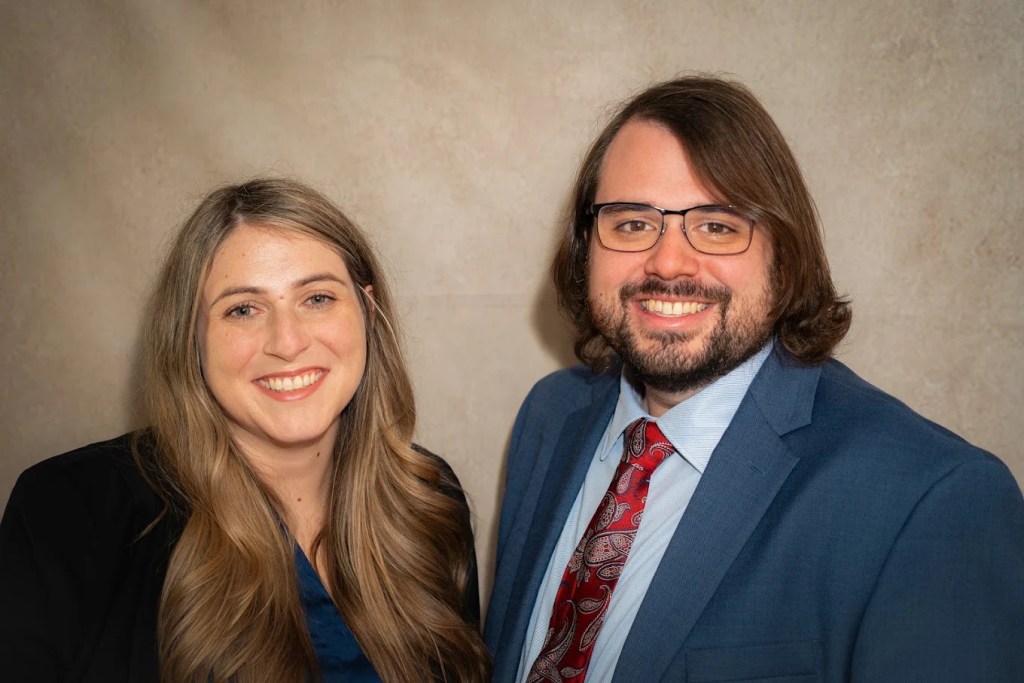
Robert Salta, founding partner, is admitted to the Florida Bar (Bar No. 1022665) and has practiced law in Florida since 2020. He is a member of the Hillsborough County Bar Association and its Real Property, Probate & Trust Law Section.
Corrie Dutton, founding partner, is admitted to the Florida Bar (Bar No. 1032315) and has practiced law since 2019, licensed in Florida since 2021. She is also a member of the Hillsborough County Bar Association and its Real Property, Probate & Trust Law Section.
Areas We Serve
Dutton & Salta is a Tampa-based law firm representing clients in partition actions throughout all 67 counties in Florida.
- Hillsborough County
- Orange County
- Pinellas County
- Manatee County
- Pasco County
- Sarasota County
- Polk County
- Miami-Dade County
Don’t see your county listed? We represent clients across the entire state of Florida. Contact us to discuss your case.
Frequently Asked Questions About Partition Actions in Florida
How much does an attorney charge to draft a deed?
The cost depends on the type of deed and the complexity of the transfer. Dutton & Salta handles deed preparation on a flat-fee basis, and we discuss the fee with you before work begins. Our flat fees start at $315.00 which includes the drafting of a single simple quit claim deed and recording. Prices increase with complexity and deed types.
County recording fees and other applicable costs are paid separately to the county.
Do you need a lawyer to draft a deed in Florida?
Florida law does not require every property owner to hire an attorney simply to execute a deed.
However, preparing a deed can involve legal decisions concerning what interest is being transferred, how the new owner will hold title, homestead rights, and the legal effect of the language used in the document.
A problem with the deed may not become apparent until years after it is recorded.
Does an attorney have to prepare a deed in Florida?
No. An attorney does not have to prepare every Florida deed.
The more important question is whether the deed being used accomplishes the intended transfer, creates the intended ownership structure, and complies with applicable Florida law.
Can a non-lawyer draft a deed?
A property owner may prepare a deed affecting his or her own property. Preparing deeds or providing legal advice for another person, however, may raise issues concerning the unauthorized practice of law depending on the circumstances.
Using a deed form also does not necessarily answer the legal questions involved in deciding what type of deed should be used or how the new ownership should be structured.
Quit Claim Deed vs. Warranty Deed: What's the Difference?
The difference is whether the grantor guarantees the title. A quitclaim deed transfers whatever interest the grantor has, with no title warranties. A warranty deed in Florida gives the buyer broader assurances about the title being transferred.
What Is a Lady Bird Deed, and Is It Right for Me?
A Lady Bird deed in Florida lets an owner keep control of the real estate during life while naming beneficiaries to receive the property at death. Whether it is appropriate depends on the property, homestead status, family circumstances, and what the owner wants the transfer to accomplish.
Sources: § 689.01, Florida Statutes: How Real Estate Conveyed, § 689.11, Florida Statutes: Conveyances Between Spouses, § 695.01, Florida Statutes: Conveyances to Be Recorded, § 695.03, Florida Statutes: Acknowledgment and Proof, § 695.26, Florida Statutes: Requirements for Recording Instruments Affecting Real Property, Article X, Section 4, Florida Constitution: Homestead; Exemptions
Attorney Review: Robert Salta, Florida Bar No. 1022665
Last Reviewed: 09/24/2026